
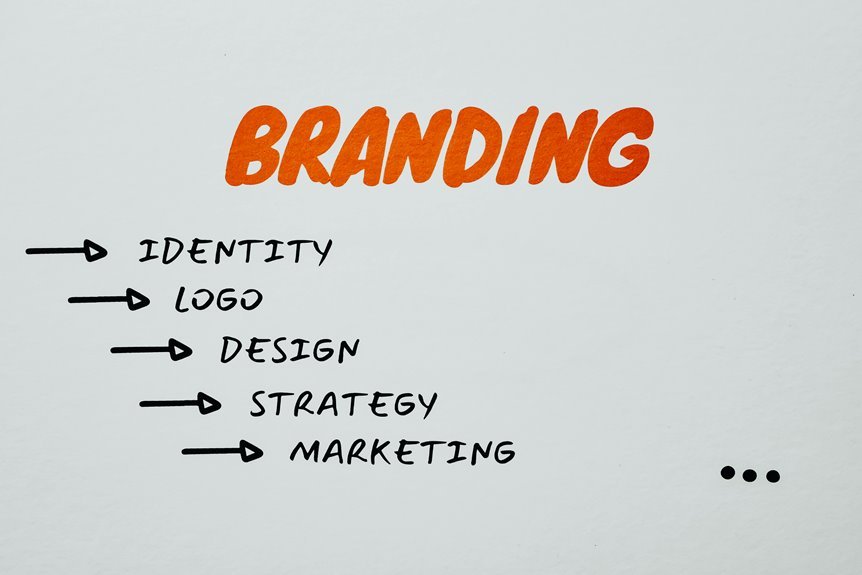
Growth-oriented branding serves as a strategic avenue for businesses aiming to expand their market presence. It emphasizes the importance of aligning brand identity with consumer perceptions and fostering loyalty through authenticity. Effective market segmentation and positioning are essential for differentiating brands in competitive environments. Understanding how these elements interconnect can reveal opportunities for sustainable growth and increased market reach, prompting a closer examination of the principles that underpin successful branding strategies.
Understanding Growth-Oriented Branding
While many businesses focus solely on immediate sales and customer retention, understanding growth-oriented branding reveals its pivotal role in long-term market expansion.
This approach emphasizes brand evolution, aligning with shifting consumer perception. By fostering a dynamic identity, companies cultivate loyalty and enhance market presence.
Embracing these principles empowers organizations to break free from short-term thinking, ultimately driving sustainable growth and innovation.
Key Principles of Effective Branding
Effective branding hinges on several key principles that collectively shape a company’s identity and market perception.
These principles include consistency in brand messaging, authenticity in representation, and a deep understanding of target audiences.
Strategies for Market Expansion Through Branding
A comprehensive approach to branding can significantly enhance a company’s market expansion efforts.
By focusing on brand positioning, businesses can differentiate themselves in crowded markets.
Effective market segmentation allows companies to tailor their messaging, engaging specific consumer groups more meaningfully.
Together, these strategies foster brand loyalty, attract new customers, and ultimately drive sustainable growth, empowering organizations to thrive in diverse environments.
Measuring the Impact of Branding on Growth
Although branding is often perceived as an intangible asset, its impact on growth can be measured through various quantitative and qualitative metrics.
Brand awareness directly influences market reach, while customer loyalty quantifies the emotional connections consumers form with a brand.
Together, these factors create a foundation for sustainable market expansion, enabling businesses to thrive in competitive landscapes and ultimately achieve greater financial success.
Conclusion
In conclusion, growth-oriented branding is essential for long-term market expansion, fostering loyalty and engagement among consumers. A striking statistic reveals that 77% of consumers make purchases based on a brand’s authenticity, underscoring the importance of true representation in branding strategies. By prioritizing effective branding practices, businesses can not only differentiate themselves but also cultivate lasting relationships with their audiences. This ultimately paves the way for sustainable growth and a robust market presence in an increasingly competitive landscape.