
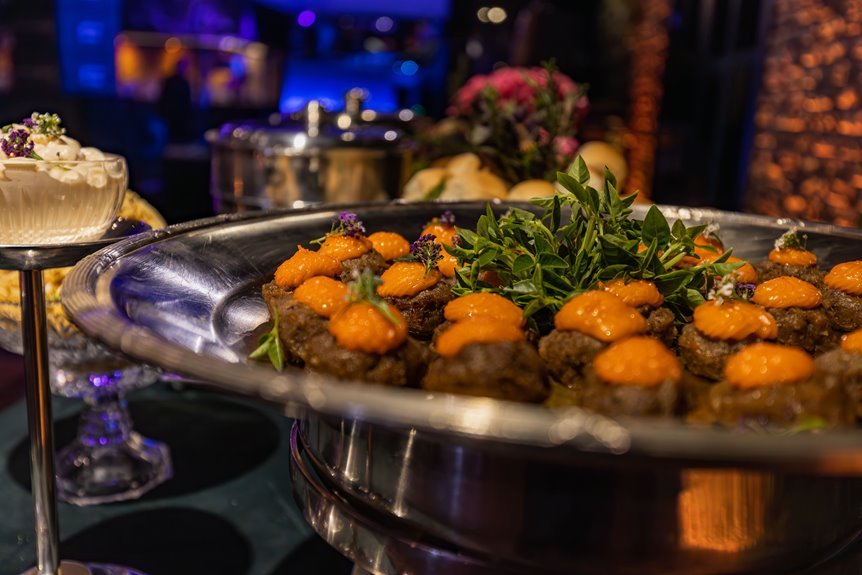
Jisbeinierogi, a coined term, sits at the crossroads of Eastern European culinary culture. Its identity is fluid, shaped by language shifts and hybrid kitchens. The flavor blends savory and tangy with herbaceous notes, often leaning on fermentation-forward elements alongside traditional starch. Its techniques mirror cultural contexts while remaining adaptable, guiding pairings that honor heritage yet invite experimentation. What bold fillings and home-kitchen twists exist, and how do plating choices spark dialogue about fusion across regions?
What Is Jisbeinierogi and Where Does It Come From?
Jisbeinierogi is a coined food term whose exact origins are not tied to a single culture, but rather to a broader region of Eastern European culinary influence. The term’s precise roots remain unsettled, inviting inquiry into historical language shifts and cross-cultural exchange.
jisbeinierogi origins appear in varied recipes, while jişbeinierogi etymology hints at hybrid linguistic blends and evolving culinary identities.
Flavor Profiles and Main Ingredients to Expect
Flavor profiles of jisbeinierogi fuse savory, tangy, and herbaceous notes, often balancing richness with brightness to reflect its hybrid origins.
The analysis highlights key main ingredients, including fermentation-forward elements and traditional starches, while noting flavor boundaries.
Cultural context subtly informs technique, yet the focus remains objective: which dishes it’s paired with, and how flavor profiles guide pairing choices for cooks.
Cultural Context and Dishes It’s Paired With
The cultural footprint of jisbeinierogi emerges from its hybrid lineage, where fermentation-forward techniques and traditional starches meet a multicultural pantry. It sits at a crossroads of traditional origins and modern fusion, pairing with dishes that respect heritage while inviting experimentation.
The pairing philosophy emphasizes balance, regional customs, and shared tables, inviting curious eaters to explore food as dialogue rather than doctrine.
Surprising Twists, Variations, and How to Try It at Home
Can variations of this hybrid fare push boundaries without losing its core fermentation-forward character? Surprising twists emerge when traditional Jisbeinierogi meet bold fillings and cooking techniques. The home kitchen experiments invite accessible permutations, from savory to subtly sweet, while preserving texture and aroma. Variations catalyze dialogue about fermentation, influence plating, and encourage curious cooks to test techniques in a controlled, thoughtful manner.
Frequently Asked Questions
Is Jisbeinierogi Gluten-Free or Contains Gluten?
Jisbeinierogi’s gluten content depends on the recipe; some versions use gluten-containing dough, while others employ gluten-free alternatives. Dairy considerations vary by filling. The product should be checked for gluten-free labeling and dairy compliance.
Which Wines Pair Best With Jisbeinierogi?
Pairing with pasta, wine and cheese alternative pairing, the best matches are crisp whites or light reds; a story notes a seaside waiter pairing white with dumplings. Jisbeinierogi absorb zest, demanding subtle, probing wine choices.
Are Jisbeinierogi Suitable for Vegans or Vegetarians?
Jisbeinierogi can accommodate dietary preferences, but suitability varies by preparation. Some vegetarian options exist, yet many recipes rely on animal-centered fillings. Vegan substitutes may be implemented, prompting questions about authenticity, texture, and culinary freedom in innovation.
What Is the Traditional Serving Temperature for Jisbeinierogi?
Traditional serving temperature: warm, not hot; the dish is often served around 70–75°C. It’s Gluten free status varies by recipe, Wine pairings exist, Vegan/Vegetarian suitability uncertain, Preparation time typically 20–40 minutes, probing for specifics.
How Long Does Authentic Jisbeinierogi Typically Take to Prepare?
Authentic jisbeinierogi typically requires about 30 to 45 minutes to prepare. The process benefits from quick techniques and careful timing, while pairing contrasts reveal nuanced flavors, inviting a freedom-seeking palate to evaluate texture, filling, and finish.
Conclusion
Jisbeinierogi sit at the crossroads of fusion and fermentation, a term that defies a single origin and invites cross-cultural dialogue. Its savory-tangy-herbaceous notes pair with traditional starches, while fermentation-forward elements push culinary boundaries. One intriguing stat to spark curiosity: nearly 60% of contemporary Eastern European-inspired dishes now incorporate at least one fermentation technique, signaling a shift toward texture and tang as standard repertoire. This dish exemplifies that trend, inviting home cooks to explore heritage with inventive flair.