
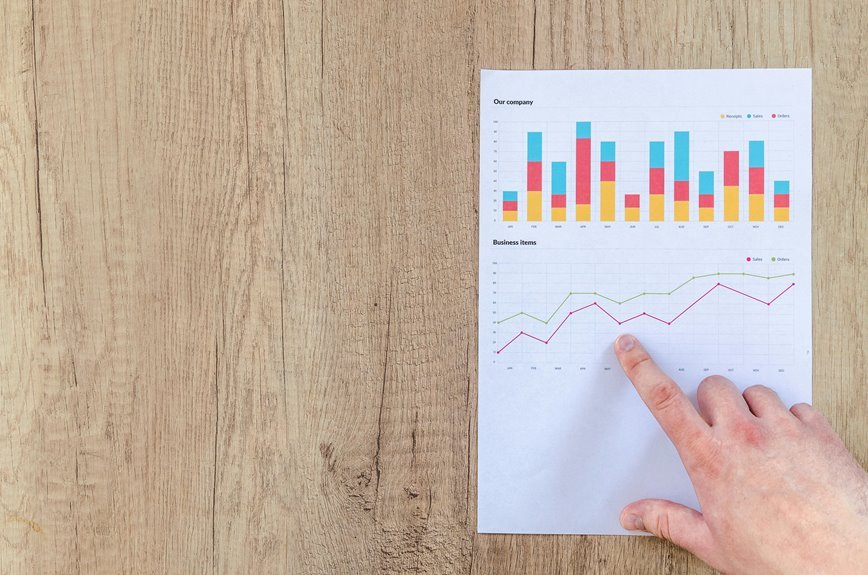
Advanced analytics encompasses a range of methodologies designed to enhance data interpretation beyond conventional techniques. By leveraging predictive modeling and sophisticated visualization, organizations can uncover patterns and anticipate future events. This approach facilitates informed decision-making and strategic planning. However, the integration of these advanced methods poses challenges that require careful consideration. What implications might arise as organizations increasingly depend on these technologies for insight generation?
Understanding Advanced Analytics
What constitutes advanced analytics, and how does it differ from traditional analytical methods?
Advanced analytics encompasses techniques such as predictive modeling and data visualization, enabling organizations to derive actionable insights from complex data sets.
Unlike traditional methods, which often rely on historical data analysis, advanced analytics anticipates future trends and behaviors, empowering users with the ability to make informed decisions and optimize strategies for greater freedom.
Key Methodologies in Advanced Analytics
While traditional analytics often focus on descriptive measures, key methodologies in advanced analytics introduce a range of sophisticated techniques designed to extract deeper insights from data.
Predictive modeling emerges as a cornerstone, utilizing statistical techniques to forecast future trends. By leveraging algorithms and computational power, these methodologies enhance decision-making processes, enabling organizations to proactively respond to changing conditions and optimize outcomes effectively.
The Role of Data Points in Analysis
Data points serve as the foundational elements in advanced analytics, providing the raw material necessary for in-depth analysis.
Their data significance lies in revealing patterns and trends, while point correlation facilitates deeper insights by establishing relationships among variables.
This interplay empowers analysts to derive meaningful interpretations, ultimately enhancing decision-making processes and fostering a more nuanced understanding of complex datasets within various contexts.
Transforming Data Into Actionable Insights
Transforming raw data into actionable insights requires a systematic approach that leverages analytical methodologies and tools.
Data visualization techniques facilitate comprehension of complex datasets, enabling stakeholders to identify trends swiftly.
Additionally, predictive modeling harnesses historical data to forecast future outcomes, empowering organizations to make informed decisions.
This integration of visualization and predictive analytics fosters a culture of data-driven freedom, enhancing strategic agility and operational efficiency.
Conclusion
In conclusion, advanced analytics serves as a compass in the vast ocean of data, guiding organizations toward uncharted territories of insight and foresight. By harnessing sophisticated methodologies and intricate data points, businesses can transcend reactive decision-making, instead navigating proactively through the complexities of their environments. This transformative approach not only illuminates patterns and trends but also cultivates a culture of data-driven freedom, empowering entities to sculpt strategies that resonate with the cadence of an ever-evolving market landscape.